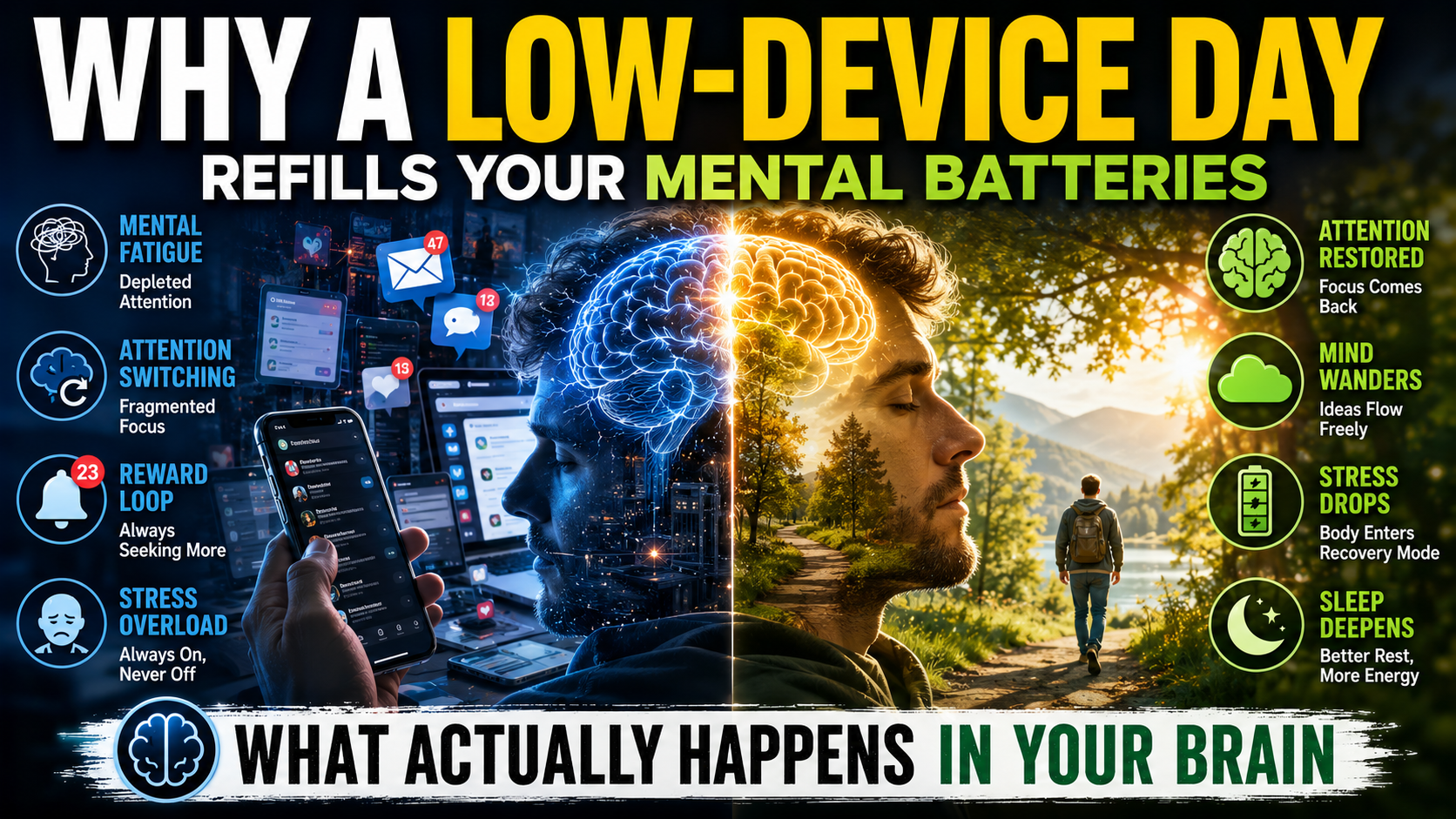
Why a Low-Device Day Refills Your Mental Batteries: What Actually Happens in Your Brain
If you work on a screen all day and live on your phone after, your brain never recovers. Here is the science of why a low-device day refills your energy.

Information about task and project management tools, productivity, and how to actually get more done — without burning out.
If you work on a screen all day and live on your phone after, your brain never recovers. Here is the science of why a low-device day refills your energy.
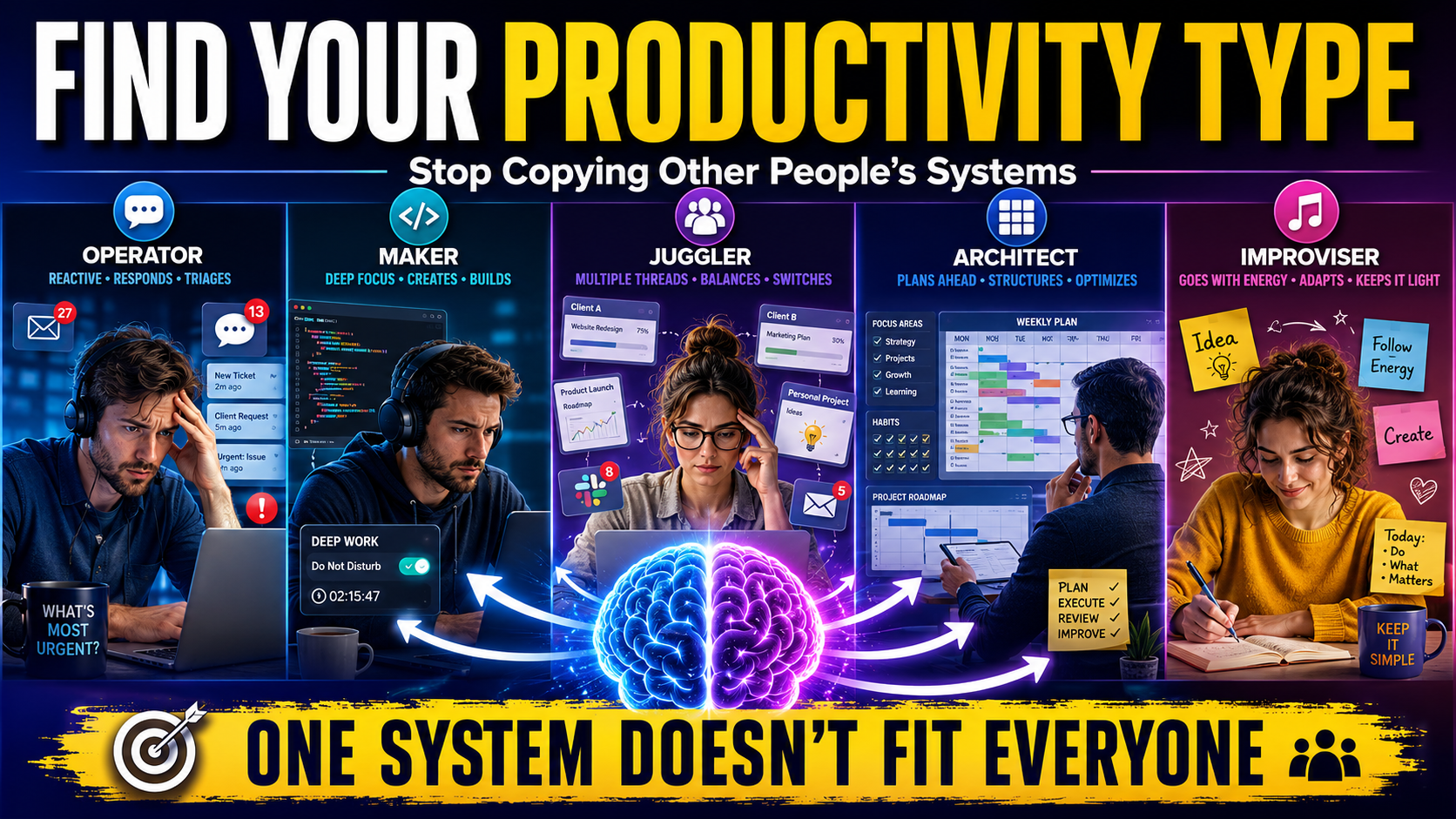
Productivity advice fails because productivity is personal. Find the work-style traits that define you, test systems the right way, and commit to what actually works.
Jeff Bezos refuses to schedule anything demanding before 10am, calling his slow mornings "puttering." Here's the cognitive science behind why the people running the most demanding work in the world tend to start their days slowest.
The research-backed psychology behind why successful people deliberately surround themselves with high-performers - 9 cognitive and social mechanisms, from priming to network contagion, that quietly reshape ambition and behavior.
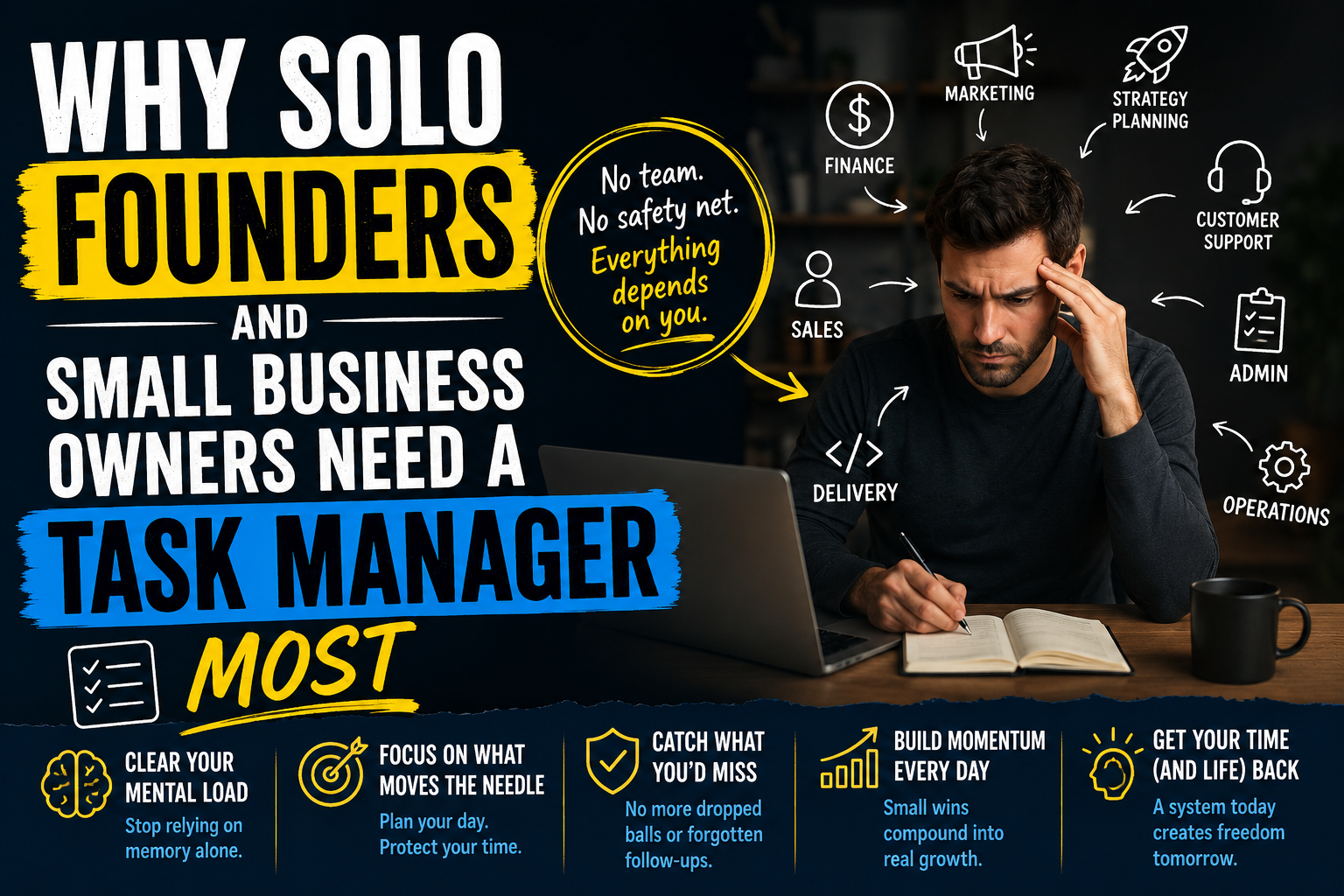
When you run a business alone, every dropped ball is yours - there's no team to catch it. Here's why daily planning and a task manager matter more for solo founders and small business owners than for anyone inside a company.
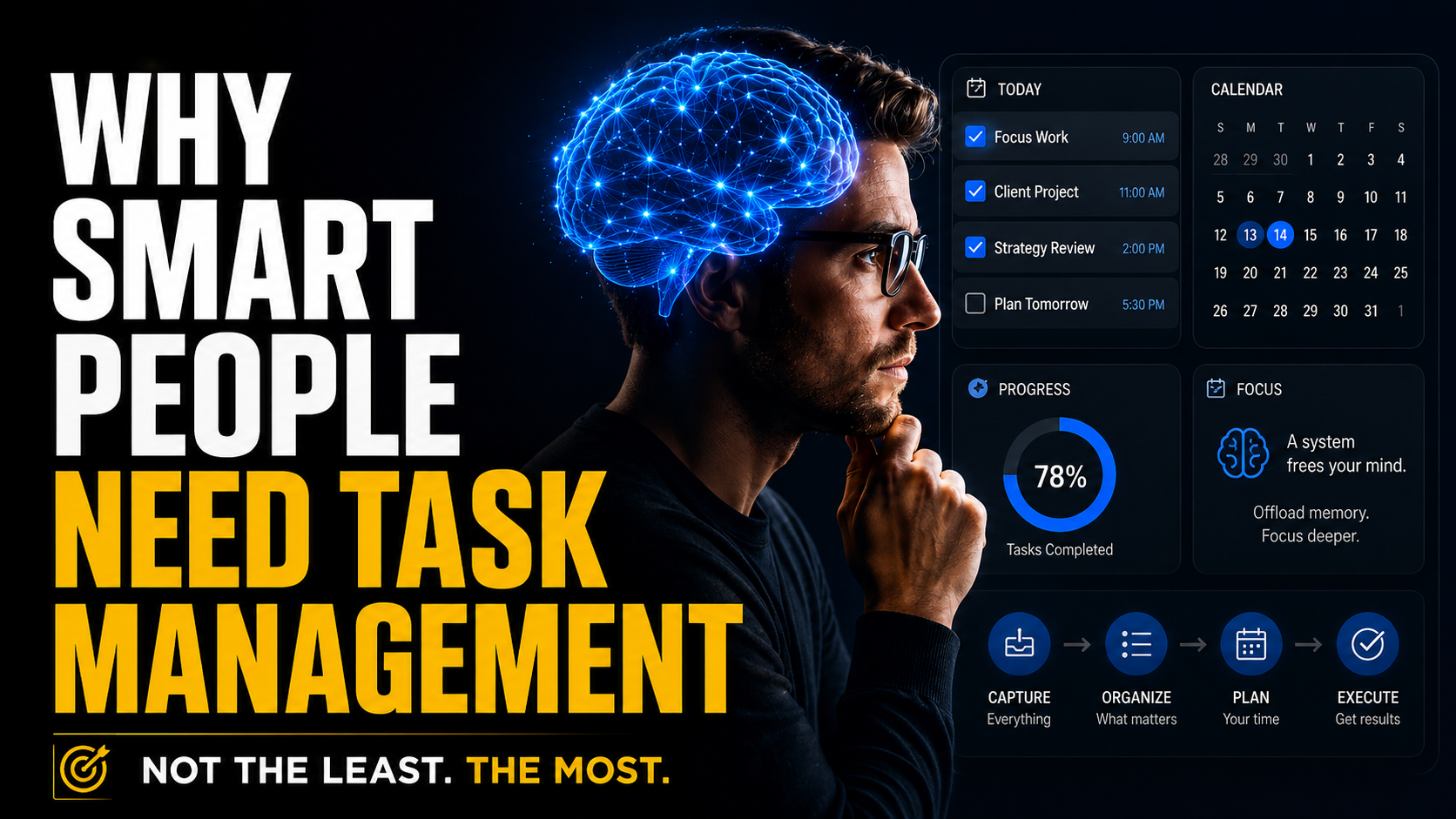
The sharper your mind, the more deep focus quietly costs you. The cognitive science on working memory, attention residue, and open loops explains why high performers need a system of record most.
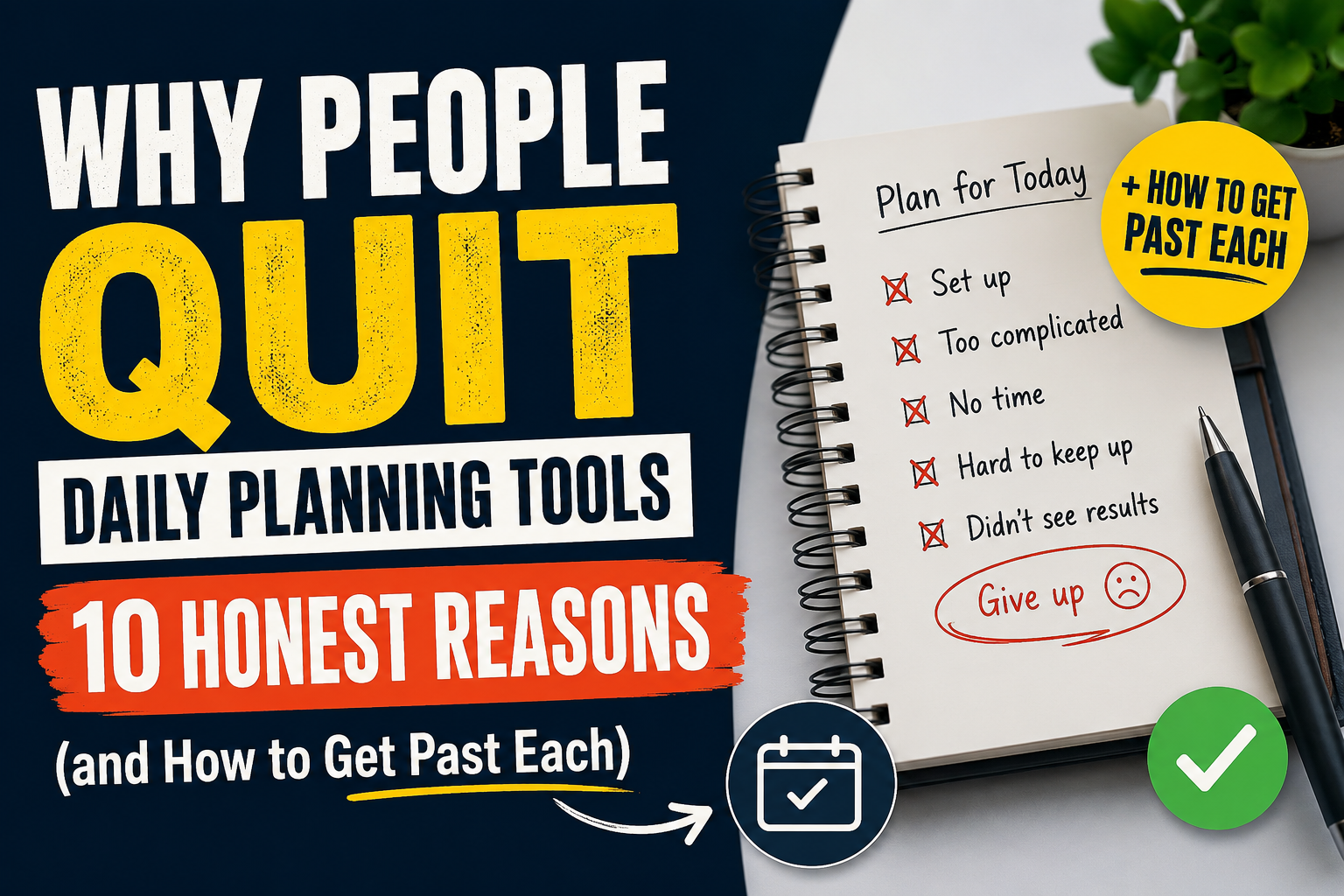
Most people don't quit daily planning because they lack discipline. They quit for 10 specific, predictable reasons. Here's each one - and how to actually get past it.
The 10 most evidence-backed productivity benefits of journaling for knowledge workers in 2026 - what the research actually shows about working memory, focus, decision-making, and clarity.
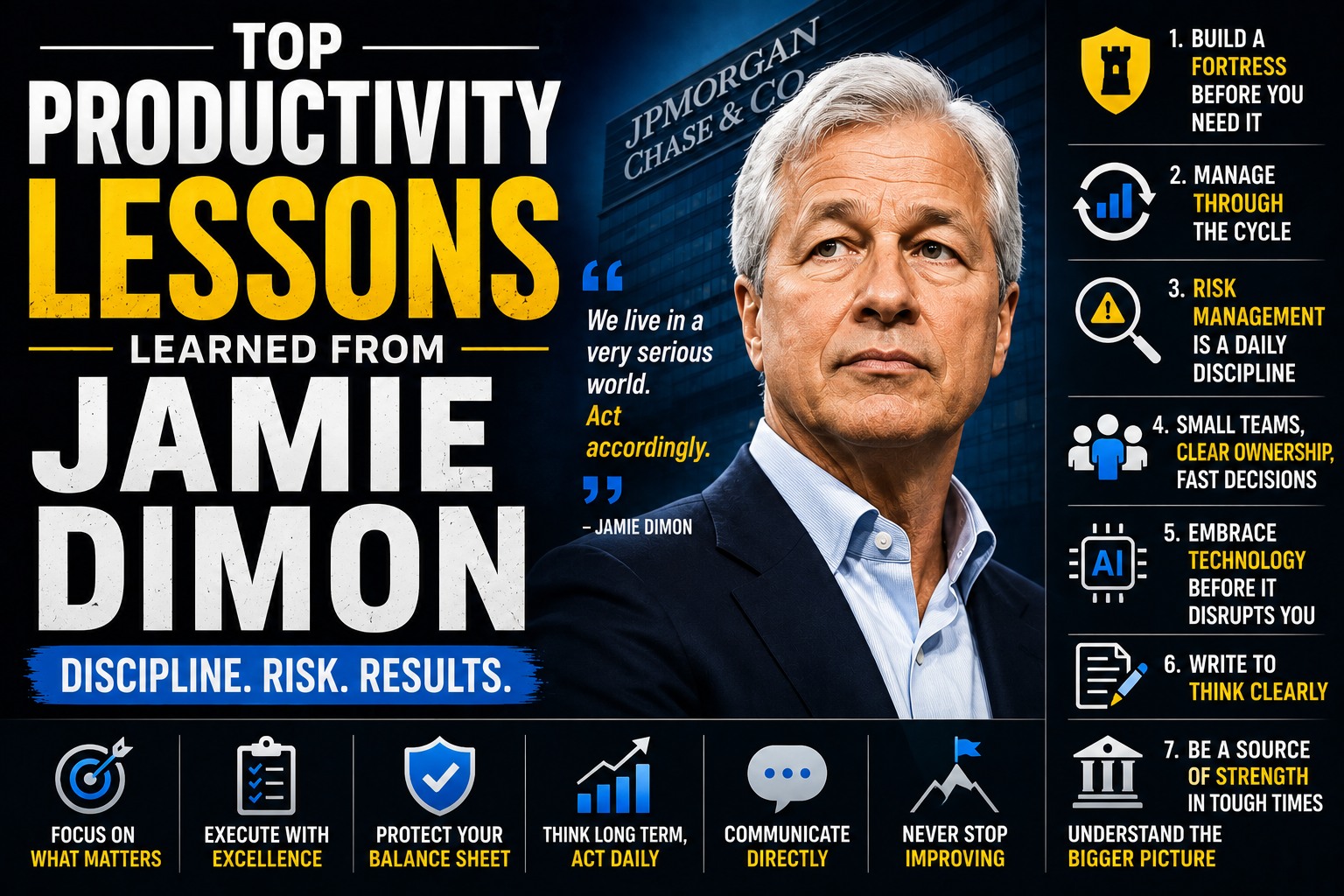
Learn practical productivity lessons from Jamie Dimon: discipline, risk management, long-term thinking, small teams, strong culture, preparation, technology adoption, and operating through uncertainty.
A neutral analytical look at the 10 biggest differences between European and American productivity cultures in 2026 - hours, ambition, risk, shipping speed, and what each model actually produces.